

Can Methylation Help The Heart?
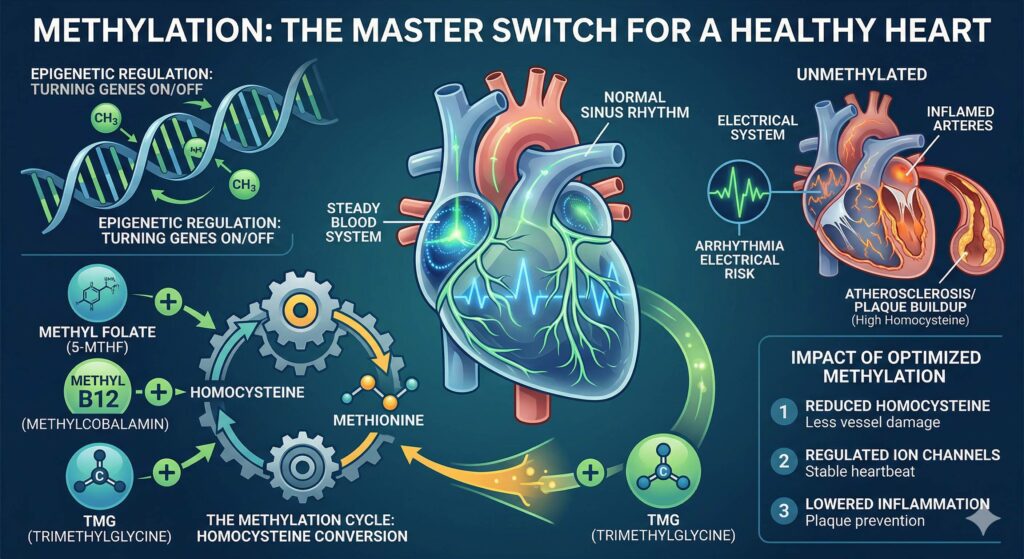
Yes, proper methylation is essential for maintaining a healthy heart rhythm and reducing the risk of cardiovascular disease (CVD). In the medical world, methylation is often called the “master switch” because it controls how your genes are turned on or off (epigenetics) and how your body processes toxic byproducts.
Here is how proper methylation protects your heart:
1. The Homocysteine Connection
The most direct link between methylation and heart disease is a molecule called homocysteine. When your methylation cycle is working correctly, it converts homocysteine into a beneficial amino acid called methionine.
- The Risk: If methylation is sluggish (often due to low B-vitamins or genetic factors like MTHFR), homocysteine builds up in the blood.
- The Damage: High homocysteine levels act like “sandpaper” on the inside of your blood vessels, causing inflammation, oxidative stress, and damage to the endothelium (the vessel lining). This is a primary driver of atherosclerosis (clogged arteries) and blood clots.
2. Regulating the Heart’s “Electrical System”
Proper methylation helps the heart beat correctly by regulating the ion channels that control electrical signals.
- Gene Control: Methylation acts as a volume knob for genes like SCN5A and KCNQ1, which tell your heart cells how to move sodium and potassium. These minerals are what create the electrical charge for each heartbeat.
- Arrhythmia Prevention: Studies show that “abnormal methylation” (too much or too little) can lead to atrial fibrillation (AFib) and other arrhythmias. When these genes aren’t methylated properly, the heart’s electrical “wiring” can become unstable, leading to an irregular or dangerous rhythm.
3. Preventing Plaque and Inflammation
Methylation is your body’s way of “silencing” genes that cause harm.
- Atherosclerosis: In healthy individuals, proper methylation keeps inflammatory genes “turned off.” In people with heart disease, these genes often lose their methyl tags (hypomethylation), allowing them to stay “turned on,” which accelerates the buildup of plaque in the arteries.
- Cardiac Remodeling: Following stress or minor injury, proper methylation helps the heart repair itself correctly rather than developing thick, stiff scar tissue (fibrosis) that can lead to heart failure.
How to Support Proper Methylation
Since methylation is a biochemical process, it relies heavily on specific “methyl donors” from your diet and lifestyle:
- Key Nutrients: Folate (specifically 5-MTHF), Vitamin B12 (Methylcobalamin), Vitamin B6, and Choline are the fuel for the methylation cycle.
- Genetic Factors: About 30-50% of people have a variation in the MTHFR gene, which makes it harder for the body to process folate. For these individuals, “proper methylation” often requires methylated forms of B-vitamins rather than standard folic acid.
- Lifestyle: Regular exercise and avoiding smoking have been shown to “reset” healthy methylation patterns in the heart and blood vessels.
Are there Supplements that can help methylation?
Yes, deciding whether to take TMG (Trimethylglycine), Methyl B12, and Methyl Folate depends entirely on your personal biochemistry – specifically, your homocysteine levels and genetic makeup (like the MTHFR gene). While they are powerful tools for “oiling the gears” of your body, they aren’t a one-size-fits-all solution.
Here is a breakdown of how these supplements work and whether they can help restore health.
Why Combine TMG, B12, and Folate?
These three work together in a “tag-team” effort to keep the methylation cycle spinning. Think of it like a relay race where they pass a “methyl group” to keep the system moving:
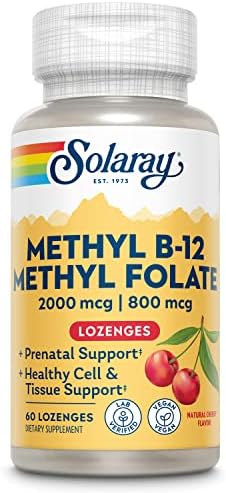
- Methyl Folate (5-MTHF): The active form of folate that your body can use immediately to “silence” bad genes and repair DNA.
- Methyl B12 (Methylcobalamin): Works with folate to turn toxic homocysteine back into methionine (a healthy amino acid).
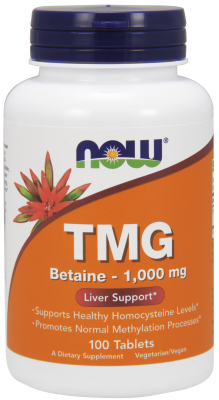
- TMG (Betaine): Acts as a “backup generator.” If the folate/B12 pathway is struggling, TMG can step in and lower homocysteine levels directly in the liver.
Can This “Restore Good Health”?
Supporting methylation can have a profound impact on health, but it is typically about optimization and prevention rather than a “cure” for existing structural damage.
- Heart Health: Reducing high homocysteine can significantly lower the risk of atherosclerosis (clogged arteries) and protect the heart’s electrical system (arrhythmias).
- Energy & Fatigue: Methylation is required to produce ATP (cellular energy) and creatine for muscle function. Improving this process can help with systemic fatigue and muscle weakness.
- Mental Clarity: These nutrients help create neurotransmitters like serotonin and dopamine. Proper methylation often results in better mood, focus, and reduced “brain fog.”
- Detoxification: Methylation is the body’s primary way of processing toxins and hormones (like estrogen).
Important Considerations (The “Watch-Outs”)
Before starting this regimen, it’s vital to be aware of how your body might react:
- The “Over-Methylation” Trap: Some people are very sensitive to methyl donors. Taking too much too fast can cause anxiety, heart palpitations, insomnia, and irritability. It’s often best to start with a low dose and “titrate” up slowly.
- B12/Folate Balance: You should never take high doses of folate without B12. Folate can “mask” a B12 deficiency by fixing the blood-related symptoms (anemia) while allowing nerve damage from low B12 to continue.
- Lipid Levels: While TMG is great for the heart, high doses (above 4-6 grams) have been shown to slightly increase LDL (bad) cholesterol in some people. If atherosclerosis is a concern, monitoring your lipid panel is essential.
How to Know if You Need Them
Since you can’t “feel” your methylation status, the most reliable way to decide is through testing:
- Homocysteine Blood Test: This is the gold standard. If your levels are above 8-10 µmol/L, you likely need methylation support.
- MTHFR Genetic Test: This tells you if you have a genetic “slowdown” that makes it hard to process regular folic acid, making methyl folate a necessity.
- Histamine: High Histamine levels can indicate a methylation issue, Allergies and Hives are two indicators of a possible methylation problem.
Proper methylation acts as a critical biological “master switch” that maintains a healthy heart rhythm and reduces cardiovascular risk by regulating gene expression and keeping homocysteine levels in check. When the methylation cycle is optimized – often through the synergistic use of TMG, methyl B12, and methyl folate – it protects the blood vessel lining from inflammatory damage and ensures the heart’s electrical system functions correctly to prevent arrhythmias like AFib. While these supplements can significantly support cellular energy and systemic health, it is important to balance them carefully to avoid “over-methylation” symptoms like anxiety or palpitations, and clinical testing for homocysteine levels remains the most effective way to determine the ideal dosage for your body.
Leave a Reply