

You Can Have Insulin Resistance And Not Know It!
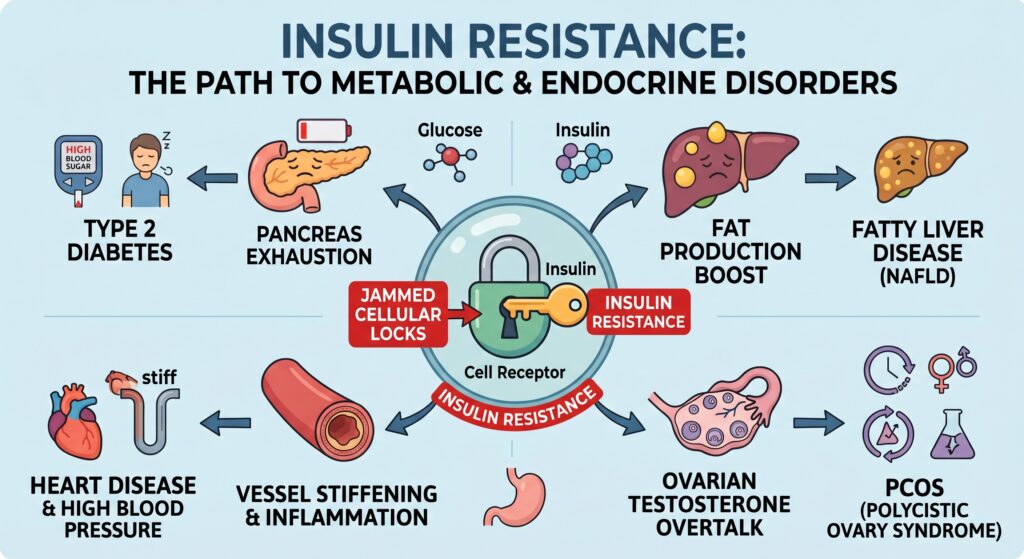
Insulin resistance occurs when your cells stop responding properly to the hormone insulin—like a key that no longer turns smoothly in a lock. Because glucose (sugar) cannot easily enter muscle, liver, or fat cells to be used for energy, the pancreas pumps out surging amounts of extra insulin (hyperinsulinemia) to force the doors open.
This chronically high level of insulin, paired with “jammed” cellular locks, disrupts multiple biochemical pathways across the body.
Type 2 Diabetes: The Glucose Transport Breakdown
- The Pathway: In healthy muscle and fat tissue, insulin activates the PI3K/Akt pathway, which commands storage doors called GLUT4 transporters to move to the cell surface and pull glucose out of the blood.
- The Breakdown: When insulin resistance blocks this signal, GLUT4 doors remain shut. The pancreas works in overdrive to produce compensatory insulin until its insulin-producing beta cells burn out from exhaustion, resulting in chronically elevated blood sugar (Type 2 Diabetes).
Fatty Liver & High Triglycerides: The Runaway Fat Factory
- The Pathway: The liver suffers from selective resistance. It ignores insulin’s signal to stop producing new sugar, yet responds aggressively to high insulin levels by turning on SREBP-1c, the master switch for fat creation (de novo lipogenesis).
- The Breakdown: The liver converts excess circulating sugar directly into fat, leading to Metabolic Dysfunction-Associated Steatotic Liver Disease (MASLD). It then packages this fat into very-low-density lipoproteins (VLDL), raising blood triglycerides and lowering protective HDL cholesterol.
High Blood Pressure: The Stiffened Vessel Pathway
- The Pathway: Insulin normally signals the inner lining of blood vessels to produce nitric oxide (NO), a gas that relaxes and widens arteries.
- The Breakdown: Insulin resistance shuts down nitric oxide production while leaving the inflammatory MAPK pathway active. Blood vessels constrict, arteries stiffen, and high insulin prompts the kidneys to reabsorb excess sodium and water, driving up blood pressure (Hypertension).
PCOS: The Ovarian Overdrive Pathway
- The Pathway: Unlike muscle tissue, ovarian theca cells remain sensitive to insulin. High circulating insulin also suppresses the liver’s production of Sex Hormone-Binding Globulin (SHBG).
- The Breakdown: Excess insulin stimulates the ovaries to overproduce androgens (male hormones like testosterone) while reduced SHBG leaves more unbound, active testosterone in the bloodstream. This halts normal egg maturation, driving Polycystic Ovary Syndrome (PCOS), irregular cycles, and metabolic weight gain.
| Disorder | Primary Biological Pathway | Core Mechanical Problem |
| Type 2 Diabetes | PI3K/Akt –> GLUT4 | Cellular glucose “doors” stay closed; beta cells exhaust |
| Fatty Liver & Dyslipidemia | SREBP-1c (De Novo Lipogenesis) | Liver converts excess sugar to fat and floods blood with triglycerides |
| Hypertension | Endothelial Nitric Oxide vs. MAPK | Loss of vessel relaxation combined with renal sodium retention |
| PCOS | Ovarian Theca Activation & SHBG Suppression | Insulin directly triggers ovarian androgen overproduction |
Exercise, Dietary Changes, and Natural Vitamin Supplements Can Help Restore Insulin Sensitivity!
Exercise, dietary changes, and targeted nutraceuticals restore insulin sensitivity by clearing cellular bottlenecks, dampening systemic inflammation, and activating alternative pathways to pull glucose into cells.
How Exercise Bypasses & Repairs the Lock
- The AMPK “Side Door” (Insulin-Independent Uptake): When muscles contract, they burn ATP and elevate AMP levels. This activates AMPK (AMP-activated protein kinase), a cellular fuel gauge. AMPK directly triggers GLUT4 transporters to migrate to the cell membrane to absorb glucose – completely bypassing the jammed insulin receptor and PI3K/Akt pathway.
- Glycogen “Sponge” Effect: Emptying muscle glycogen reserves creates physical storage capacity. For 24 to 48 hours post-workout, muscle cells upregulate insulin receptor sensitivity and enhance Akt phosphorylation to rapidly restock fuel.
- Clearing Cellular Fat Jam: High-intensity and resistance training increase mitochondrial density and fat oxidation, burning off accumulated intracellular fats (diacylglycerols and ceramides) that physically block insulin receptor signaling.
How Nutrition Re-sensitizes Cellular Pathways
- De-escalating Hyperinsulinemia: Reducing refined carbohydrates and sugar spikes removes the constant barrage of high insulin. This allows downregulated insulin receptors to recycle back to the cell surface, restoring their responsiveness.
- Dampening the Liver’s Fat Engine (SREBP-1c): Restricting excess calories and dietary fructose reduces substrate delivery to the liver. This turns down the SREBP-1c pathway, halting de novo lipogenesis (new fat creation), clearing hepatic steatosis, and lowering circulating triglycerides.
- Short-Chain Fatty Acids & Incretin Signaling: Dietary soluble fiber feeds gut microbes that produce short-chain fatty acids (acetate, propionate, butyrate). These molecules bind to FFAR2/3 receptors, triggering the release of GLP-1 (glucagon-like peptide-1), which improves glucose-dependent insulin secretion, slows gastric emptying, and calms systemic inflammation.
Targeted Nutraceuticals for Insulin Pathway Support
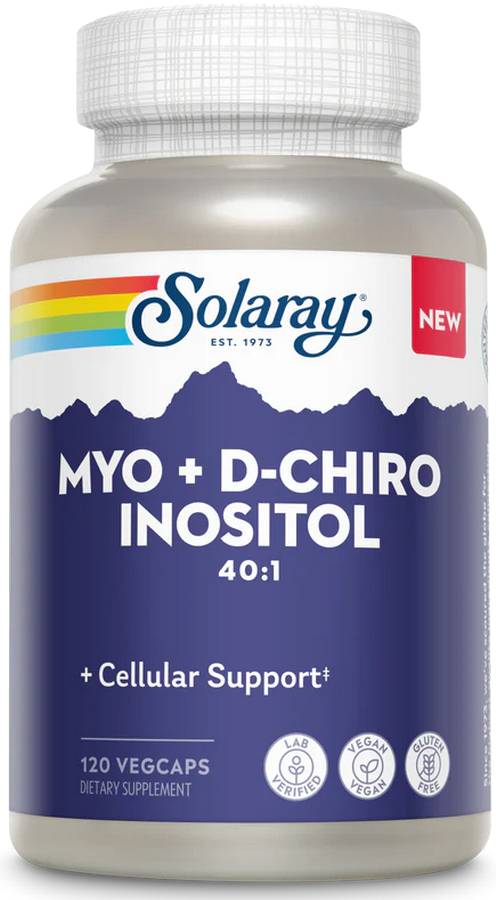
Myo-Inositol & D-Chiro-Inositol
- Mechanism: Inositol’s serve as cellular second messengers. Myo-inositol facilitates GLUT4 translocation and intracellular glucose utilization, while D-Chiro-inositol promotes glycogen synthesis.
- Key Role: A physiological 40:1 ratio (Myo to D-Chiro) helps restore disrupted insulin signaling in metabolic tissues and ovarian theca cells, making it especially effective for reversing metabolic dysregulation in PCOS.
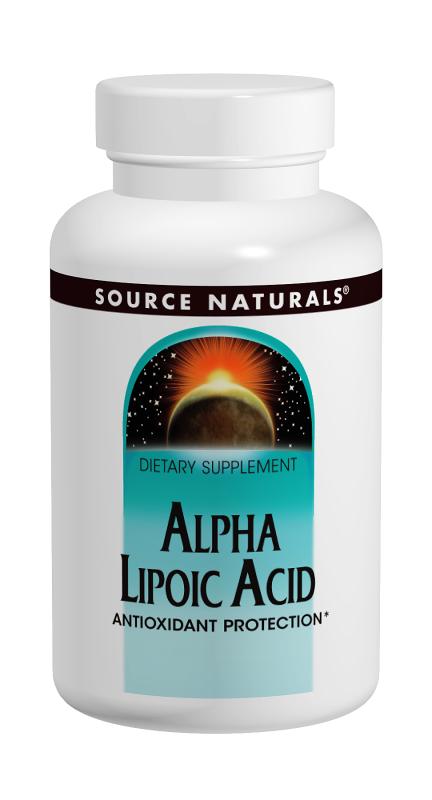
Alpha-Lipoic Acid (ALA)
- Mechanism: ALA is a mitochondrial antioxidant that directly stimulates both AMPK and PI3K/Akt signaling, prompting GLUT4 vesicles to fuse with cell membranes.
- Key Role: Neutralizes oxidative stress and reactive oxygen species (ROS) that inactivate insulin receptor substrates (IRS-1), protecting cellular energy production and peripheral nerve function.
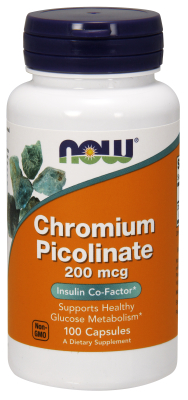
Chromium (as Chromium Picolinate)
- Mechanism: Chromium integrates into chromodulin, an intracellular oligopeptide. When insulin binds to its receptor, chromodulin binds to the inner portion of the receptor, significantly amplifying its tyrosine kinase activity.
- Key Role: Enhances the efficiency of existing insulin molecules, allowing cells to clear glucose with lower circulating hormone levels.
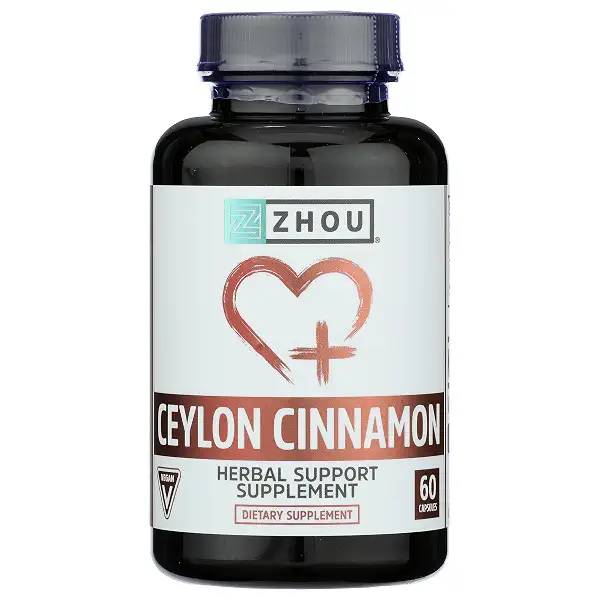
Cinnamon Extract (Cinnamomum cassia/verum)
- Mechanism: Contains bioactive polyphenols and methylhydroxychalcone polymers (MHCP) that act as insulin mimetics, phosphorylating insulin receptors while inhibiting PTP1B (protein tyrosine phosphatase 1B), an enzyme that normally turns off insulin signaling.
- Key Role: Extends the active signaling window of the insulin receptor and slows carbohydrate breakdown in the digestive tract by inhibiting intestinal amylase and glucosidase.
| Compound | Target Pathway | Primary Action |
| Myo / D-Chiro Inositol (40:1) | Inositolphosphoglycan Second Messengers | Coordinates GLUT4 recruitment and glycogen storage |
| Alpha-Lipoic Acid (ALA) | AMPK & PI3K/Akt Activation | Drives glucose uptake and clears oxidative pathway blocks |
| Chromium | Chromodulin $\rightarrow$ Receptor Tyrosine Kinase | Amplifies receptor signaling cascade efficiency |
| Cinnamon Extract | PTP1B Enzyme Inhibition | Prevents premature shutoff of active insulin receptors |
Summary:
Insulin resistance develops when cellular “locks” become unresponsive to insulin, trapping glucose in the bloodstream and forcing the pancreas to pump out surging levels of the hormone to compensate. This persistent hyperinsulinemia and cellular signaling failure disrupt critical biological pathways throughout the body. When the primary PI3K/Akt pathway fails to deploy GLUT4 glucose transporters to muscle cell surfaces, pancreatic beta cells eventually burn out from exhaustion, resulting in Type 2 Diabetes. Simultaneously, excess circulating insulin overstimulates the liver’s SREBP-1c pathway to churn out new fat – driving fatty liver disease and elevated triglycerides – while impairing nitric oxide production in blood vessels to cause hypertension. In the endocrine system, the ovaries remain hypersensitive to high insulin, which triggers excess androgen production and suppresses sex hormone-binding globulin, fueling Polycystic Ovary Syndrome (PCOS).
Restoring these pathways requires clearing cellular bottlenecks through targeted physical activity, strategic nutrition, and nutraceutical support. Muscular contraction during exercise bypasses damaged insulin receptors entirely by activating the AMPK pathway, an alternative cellular switch that directly recruits GLUT4 transporters to absorb glucose while depleting glycogen reserves. Meanwhile, reducing refined carbohydrates lowers baseline insulin, allowing desensitized receptors to recover and halting runaway liver fat production. Targeted compounds further accelerate pathway repair: a 40:1 physiological ratio of Myo- and D-Chiro-Inositol restores essential second-messenger signaling for glucose utilization and hormone balance; Alpha-Lipoic Acid (ALA) neutralizes oxidative stress while stimulating AMPK; Chromium incorporates into chromodulin to amplify receptor tyrosine kinase activity; and bioactive Cinnamon polyphenols inhibit the PTP1B enzyme to prevent insulin receptors from shutting down prematurely.
Leave a Reply