

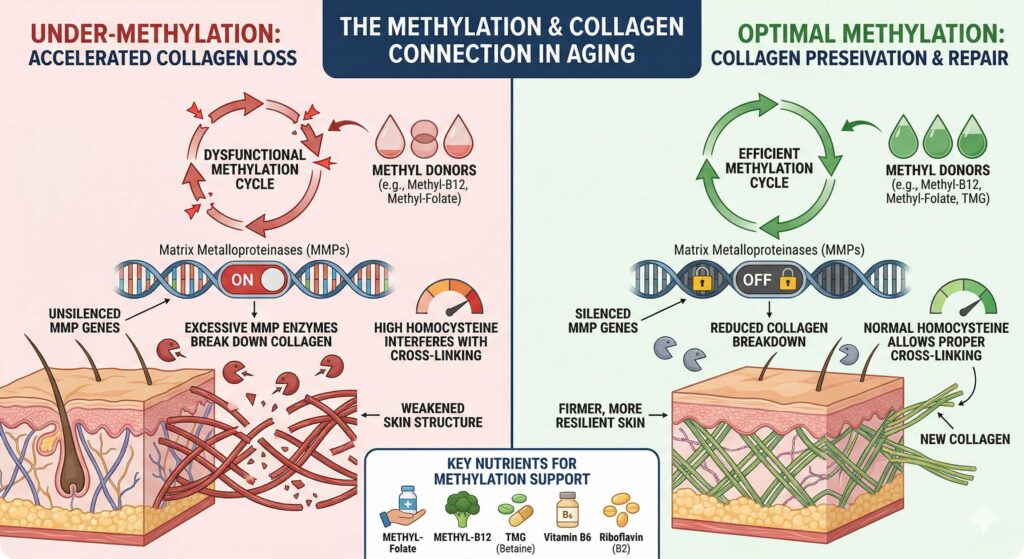
The relationship between methylation and collagen is a significant area of study in epigenetics and “inflammaging.” While the link isn’t as simple as a direct “on/off” switch, under-methylation (hypomethylation) plays a key role in the degradation of the skin’s structural integrity.
How Under-Methylation Impacts Collagen
Under-methylation contributes to collagen loss through two primary mechanisms:
- Activation of “Collagen-Eating” Enzymes: In a healthy state, specific genes that produce Matrix Metalloproteinases (MMPs) – enzymes that break down collagen – are often “silenced” by DNA methylation. When under-methylation occurs, these genes can become overactive, leading to an accelerated breakdown of the collagen matrix.
- The Homocysteine Factor: Under-methylation is often linked to high levels of homocysteine. Elevated homocysteine can interfere with the cross-linking of collagen and elastin fibers, making the existing collagen weaker and less resilient.
Can Restoring Methylation Limit Collagen Loss?
Restoring proper methylation patterns can help “re-silence” the genes responsible for collagen degradation and support the body’s natural repair mechanisms.
| Benefit | Mechanism |
| Gene Regulation | Proper methylation helps suppress the $MMP-1$ gene, which is the primary enzyme responsible for breaking down Type I collagen. |
| Reduced Inflammation | DNA methylation regulates pro-inflammatory cytokines. Since chronic inflammation (inflammaging) destroys collagen, stabilizing methylation can protect the skin’s “scaffolding.” |
| Improved Repair | Optimal methylation supports protein synthesis and cellular turnover, which are essential for producing new collagen fibers. |
Key Nutrients for the Methylation Cycle
To support this process, the body requires “methyl donors” and cofactors. If you are looking to support your methylation cycle, focus on:
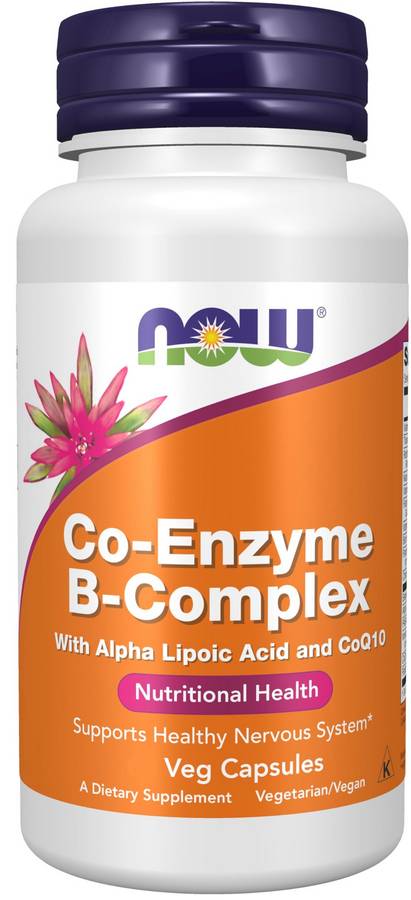
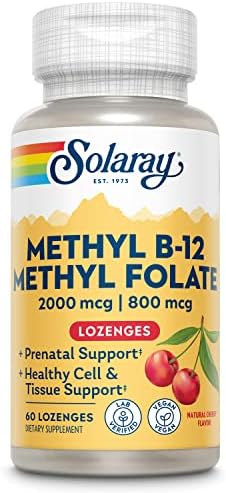
- Methyl-B12 and Methyl-Folate: The active forms of these vitamins drive the cycle.
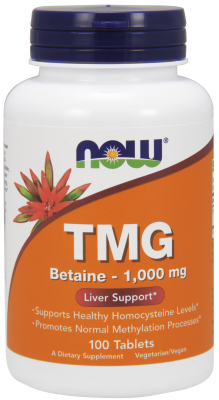
- TMG (Trimethylglycine): Also known as betaine, it acts as a direct methyl donor.
- Vitamin B6 and Riboflavin (B2): Necessary cofactors for the enzymes involved in the cycle.
Note: While methylation is a piece of the puzzle, collagen loss is also heavily influenced by UV exposure (photoaging), glycation (sugar intake), and hormonal changes. A holistic approach is usually the most effective.
Under-methylation, or hypomethylation, accelerates skin aging by failing to “switch off” genes that produce Matrix Metalloproteinases (MMPs), the enzymes responsible for breaking down collagen fibers. This biological imbalance is often accompanied by high homocysteine levels, which weaken the skin’s foundation by interfering with the necessary cross-linking of collagen and elastin. By restoring the methylation cycle through the intake of methyl donors like methyl-folate, B12, and TMG, it is possible to re-silence these degradative enzymes and lower systemic inflammation, effectively helping to preserve the skin’s structural integrity and limit collagen loss during the aging process.
Leave a Reply