


We all know that alcohol is bad for us, but what many people don’t realize is the dangers of the metabolites produced when alcohol is broken down in the liver. Acetaldehyde and uric acid can cause inflammation and increase our risk of developing metabolic conditions like type-2 diabetes, hypertension, obesity, and Alzheimer’s disease. We will discuss the dangers of acetaldehyde and uric acid and how to reduce their impact on our health.
What is alcohol metabolism and what are the dangers of acetaldehyde and uric acid?
Alcohol metabolism is the process by which the body breaks down alcohol. The first step in alcohol metabolism is the conversion of alcohol to acetaldehyde by the enzyme alcohol dehydrogenase. Acetaldehyde is then converted to acetic acid by another enzyme, aldehyde dehydrogenase. Finally, acetic acid is broken down to carbon dioxide and water by yet another enzyme, acetaldehyde dehydrogenase. While this process may seem relatively straightforward, it can actually be quite dangerous. Acetaldehyde is a highly toxic substance that can cause damage to the liver and other organs. Furthermore, uric acid, a waste product of alcohol metabolism, can build up in the body and lead to kidney stones or gout. As a result, it is important to be aware of the dangers of alcohol metabolism before consuming any alcoholic beverages.
 How do we reduce the impact of these metabolites on our health?
The best way to reduce the impact of these metabolites on our health is to limit our alcohol consumption. If we drink alcohol, we should do so in moderation and make sure to stay hydrated. Drinking plenty of water will help to flush these metabolites out of our system. We should also avoid drinking on an empty stomach, as this can increase the rate at which they are absorbed into our bloodstream. By taking these simple precautions, we can minimize the negative impact that these harmful metabolites can have on our health.
What are some tips for reducing alcohol intake to minimize the risk of these conditions?
There are many reasons why people may choose to reduce their alcohol intake. For some, it may be a personal decision to moderate their consumption for health or other reasons. For others, it may be necessary to cut back on alcohol due to work or family obligations. Regardless of the reason, there are a few tips that can help make reducing alcohol intake easier. First, it can be helpful to surround yourself with non-drinkers or those who also want to reduce their alcohol consumption. This can create a support system and make it easier to stick to your goals. Additionally, it is important to have realistic expectations and be prepared for setbacks. Trying to eliminate alcohol completely can be difficult and may not be sustainable in the long-term. Instead, focus on reducing your intake gradually over time. Finally, don’t be afraid to ask for help if you need it. There are many resources available to those struggling with alcohol abuse, and seeking professional help can make a big difference. Following these tips can help make reducing alcohol intake more manageable and improve your chances of success.
Are there any other ways to reduce the risk of developing metabolic conditions associated with alcohol consumption beyond diet changes?
Alcohol consumption has been linked to a variety of metabolic conditions, including obesity, insulin resistance, and type 2 diabetes. While changing your diet can help to reduce the risk of developing these conditions, there are other steps that you can take to minimize your risk. For example, regular exercise has been shown to improve insulin sensitivity and reduce body fat. quitting smoking can also help to reduce your risk of developing metabolic conditions associated with alcohol consumption. Furthermore, limiting your alcohol intake to no more than one drink per day for women and two drinks per day for men can help to reduce your risk, preferably, no alcohol consumption at all. By taking these steps, you can help to reduce your risk of developing metabolic conditions associated with alcohol consumption.
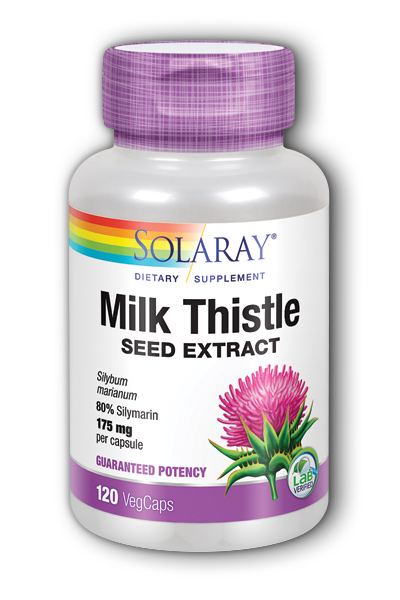 Detox the liver with milk thistle and NAC
The liver is one of the most important organs in the body. It plays a vital role in metabolism, detoxification, and digestion. Unfortunately, the liver can also be easily overloaded by toxins. This can lead to a variety of health problems, including fatigue, digestive issues, and skin problems. Thankfully, there are a few simple things you can do to help detox your liver. Milk thistle and N-acetyl cysteine (NAC) are two very effective liver-detoxifying agents. Milk thistle helps to protect the liver from damage and aids in repair and regeneration. NAC is an amino acid that helps to break down toxins and promote healthy liver function. Taken 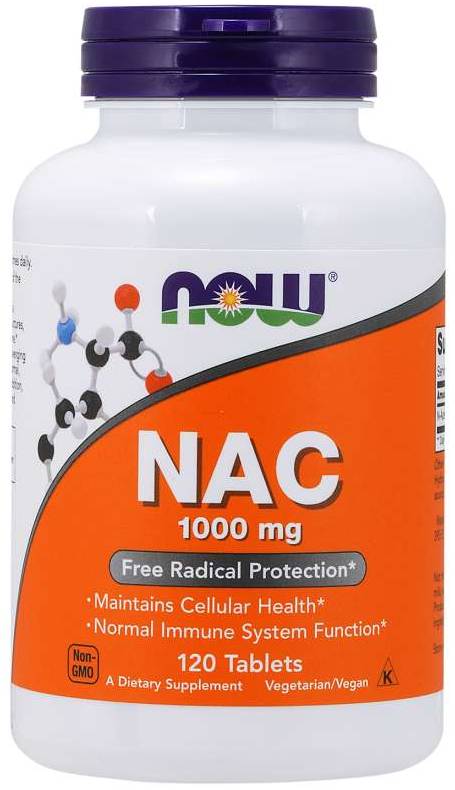 together, these two supplements can help to keep your liver functioning at its best, especially if one consumes alcohol.
Overall, it is important to be aware of the dangers of alcohol metabolism before drinking any alcoholic beverages. The first step is to understand what acetaldehyde and uric acid are and how they can affect our health. We should then take steps to limit our alcohol intake in order to reduce the risk of developing harmful metabolites. Additionally, regular exercise and quitting smoking can help to further reduce our risk of developing metabolic conditions associated with alcohol consumption.
Leave a Reply