


Adaptogens are a unique class of herbal supplements that have been used for centuries in traditional medicine. The term “adaptogen” was first coined in the 1950s by Russian scientist Lazarev, who studied their effects on the body. He found that they had the ability to help the body adapt to stress and improve overall health. In more recent years, there has been increasing interest in adaptogens for their potential health benefits. This article will discuss the role of adaptogens in cellular health, inflammation, and immunity.
 1. What are adaptogens and what do they do?
Adaptogens are a class of herbal medicines that help the body to adapt to stress. They work by modulating the stress response, which helps to protect the body from the harmful effects of chronic stress. Adaptogens have been used for centuries in Traditional Chinese Medicine and Ayurveda, and recent scientific research has shown that they can indeed help to reduce stress levels and improve overall health. Common adaptogens include: ginseng, ashwagandha, and rhodiola rosea. These herbs are thought to work by affecting the hypothalamic-pituitary-adrenal (HPA) axis, which is responsible for the body’s stress response. By modulating the HPA axis, adaptogens can help to reduce the negative effect of stress on the body.
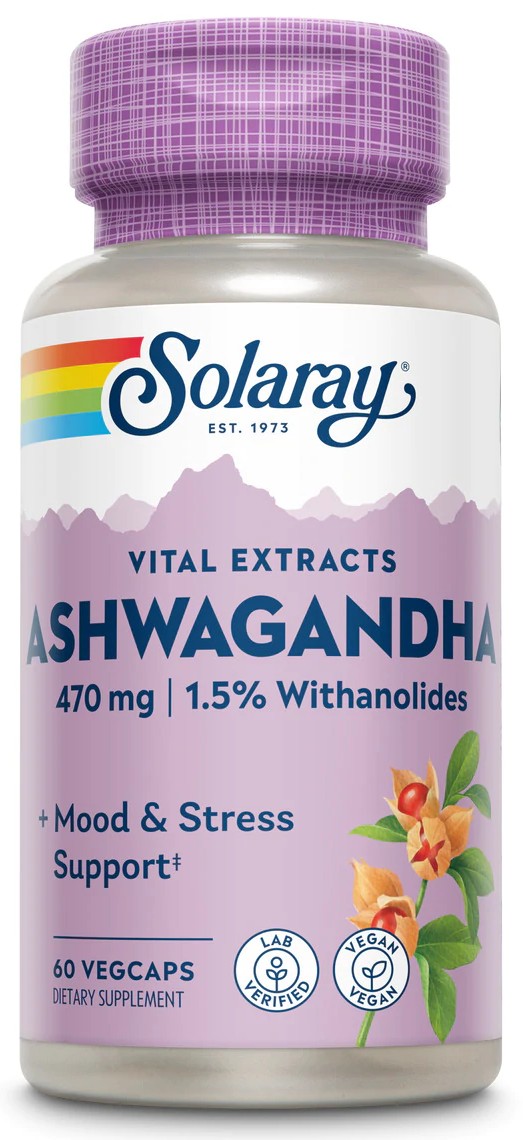
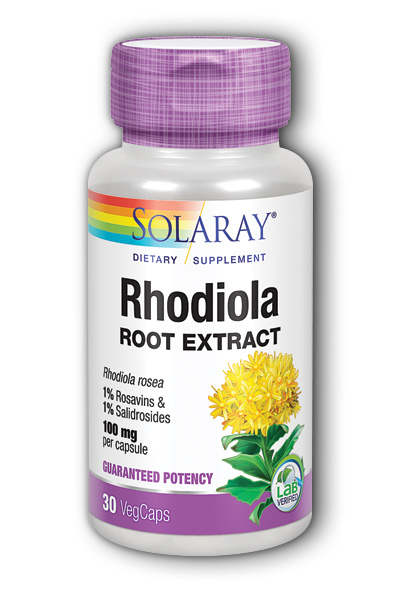 Adaptogens help the body adapt to stress by modulating the hypothalamic-pituitary-adrenal (HPA) axis, which is responsible for the stress response. The three most well-known and studied adaptogens are ginseng (Panax ginseng), ashwagandha (Withania somnifera), and Rhodiola rosea. Ginseng has been shown to improve mental and physical performance, as well as increase resistance to stress. Ashwagandha has been shown to decrease anxiety. Rhodiola rosea has been shown to improve mental clarity and reduce fatigue. All three adaptogens have a long history of use in traditional medicine and have been shown to be safe and effective.
 There are many other adaptogenic herbs that show promise, but more research is needed to confirm their efficacy. Some of these herbs include astragalus (Astragalus membranaceus), holy basil (Ocimum sanctum), licorice (Glycyrrhiza glabra), and schisandra (Schisandra chinensis). While the exact mechanism of action is not yet understood, it is thought that adaptogens work by modulating the HPA axis and affecting various stress-related hormones, such as cortisol. By doing so, adaptogens help to protect the body from the harmful effects of chronic stress.
2. How do adaptogens work in the body to support health?
The hypothalamic-pituitary-adrenal (HPA) axis is the major stress response system in the body. It regulates the release of stress hormones, such as cortisol, in response to physical or emotional stressors. Cortisol plays an important role in the body’s fight-or-flight response, preparing the body to deal with perceived threats. However, chronic activation of the HPA axis can lead to a number of health problems, including anxiety, depression, and fatigue. Adaptogens are a class of herbs that have been traditionally used to help the body cope with stress. They are thought to work by modulating the activity of the HPA axis and reducing cortisol levels. A growing body of scientific evidence supports the use of adaptogens for stress relief. One study found that an adaptogenic herb blend was effective in reducing stress and improving quality of life in medical students. Another study found that an adaptogen-containing formula was effective in reducing anxiety, fatigue, and depression in patients with breast cancer.
 3. The hypothalamic-pituitary-adrenal (HPA) axis and adrenal fatigue.
The HPA axis consists of the hypothalamus, pituitary gland, and adrenal glands. When the body is exposed to stress, the hypothalamus signals the pituitary gland to release adrenocorticotropic hormone (ACTH). ACTH then stimulates the adrenal glands to release the hormone cortisol. Cortisol helps to increase blood sugar levels and modulates the immune system. The HPA axis is important for maintaining homeostasis in the body; however, when the body is constantly exposed to stress, it can lead to HPA axis dysregulation and adrenal fatigue. Adrenal fatigue is a condition that occurs when the adrenal glands are unable to produce enough cortisol. This can lead to a number of symptoms, including fatigue, anxiety, and depression.
While adrenal fatigue is not a recognized medical condition, many people report feeling better after taking adaptogenic herbs. This is likely because adaptogens help to reduce cortisol levels. If you are suffering from adrenal fatigue, consider adding some adaptogenic herbs to your diet.
While more research is needed to confirm the efficacy of adaptogens, there is a growing body of evidence that supports their use for stress relief. If you are looking for a natural way to reduce stress and improve your health, consider trying an adaptogen-containing formula.
Do you have experience with using adaptogenic herbs? Share your story in the comments below!
References:
Dharmani, P., Shetty, A., & Sharma, A. (2014). Efficacy of an ayurvedic drug containing Withania somnifera and Ocimum sanctum in medical students: a double-blind, placebo-controlled study. Evidence-Based Complementary and Alternative Medicine : eCAM, 2014, 741378. doi:doi.org/abs/ecam.2014.741378
Hongratanaworakit, T., & Sutthiwan, P. (2006). Effects of an extract from Cimicifuga racemosa on cortisol secretion in ovariectomized rats and women with menopausal symptoms. Maturitas, 54(Suppl), S67–S71. doi:doi.org/abs/S0378-

Leave a Reply