
We have over-the-counter and prescription medications available to treat pain. Unfortunately, many of these medications come with a price. That price can be serious long-term side effects or even addiction.
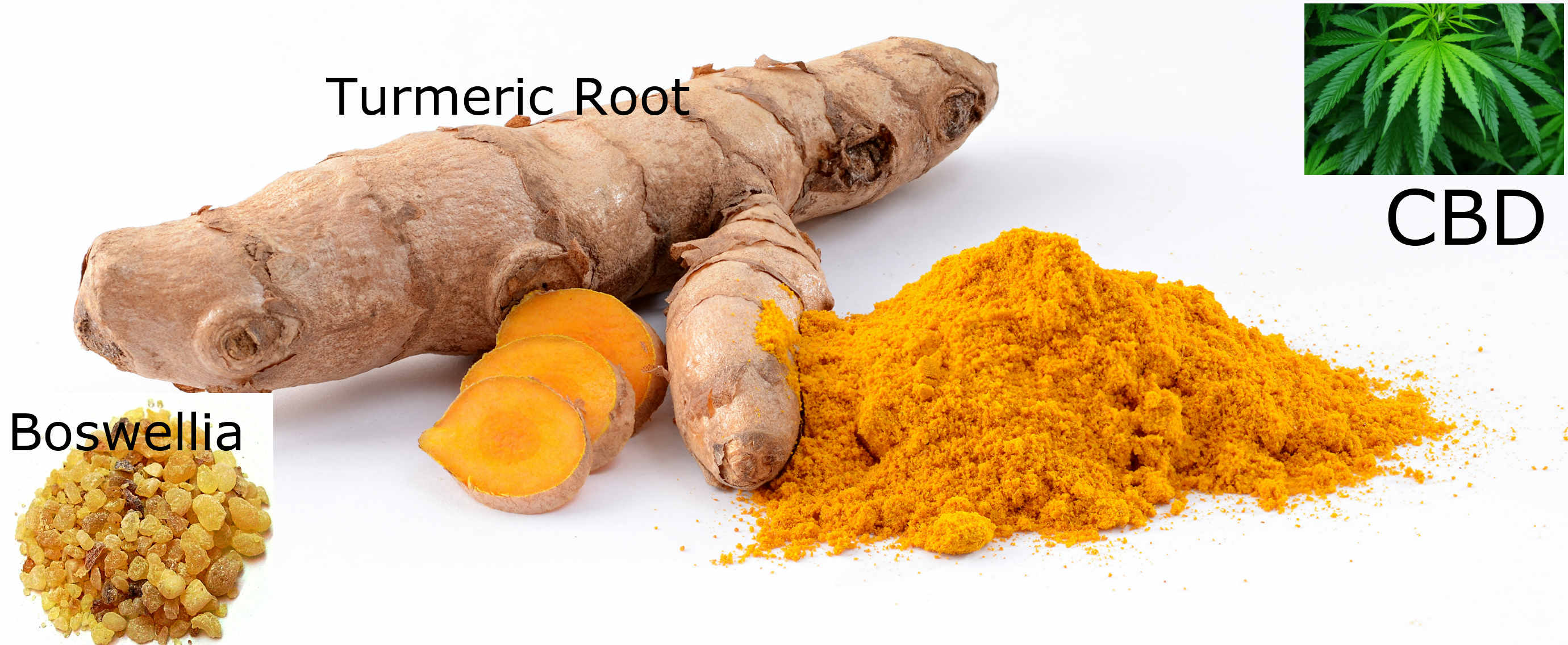
There are many natural products that can alleviate your pain. Some of these natural interventions work as well, or better, than pills from your local pharmacy. Here are three natural products that are shown to reduce inflammation and alleviate pain.
Curcumin
Curcumin is a natural pain reliever found in the roots of the turmeric plant. Traditionally used in Indian Ayurvedic and Chinese medicine; it reduces the inflammation and pain of osteoarthritis and rheumatoid arthritis. This natural pain reliever is also shown to inhibit the formation of cancer cells and enhance liver function.
This tumeric root extract works by blocking the cytokines and enzymes responsible for inflammation. Curcumin’s been shown to be as effective at reducing pain and inflammation as nonsteroidal anti-inflammatory drugs (NSAIDs).
High doses will act as a blood thinner and may cause stomach upset, so it should be avoided by anyone taking a blood thinning medication or pregnant.
Boswellia
This herbal extract from the Boswellia serrata tree is available in pill, cream or resin form. Studies show that Boswellic acid is effective for the treatment of osteoarthritis, rheumatoid arthritis and inflammatory bowel disease.
Boswellic acid also prevents the formation of leukotrienes in the body. Leukotrienes can trigger asthma symptoms by balancing the immune system to keep it from overreacting to environmental allergens.
The Arthritis Foundation recommends 300-400 mg three times per day of a product containing 60 percent boswellic acids. This herbal supplement can decrease the effectiveness or interact with other anti-inflammatory medications. Before starting any herbal therapy, it is best to consult with your physician.
CBD Oil
CBD oil(cannabidiol oil) is extracted from hemp or cannabis plants. Industrial hemp typically has a higher CBD content than cannabis. CBD has been used for centuries to treat pain and inflammation, but has not been studied by the medical community until recently.
CBD is not psychoactive. It does not alter a person’s state of mind or produce the “high” that marijuana does. CBD oil works by influencing the body to utilize it’s own naturally occurring endocannabinoids effectively.
CBD also prevents the absorption of anandamide, a compound associated with pain regulation. Since anandamide is not absorbed, levels increase in the bloodstream. Increasing anandamide in the bloodstream reduces how much pain is felt.
CBD is also shown to reduce inflammation, calm anxiety, treat insomnia and calm the muscle spasms associated with multiple sclerosis(MS). Most testing of the effectiveness of CBD for pain have been conducted on laboratory animals, but results are promising. The risk of potential side effects appears to be much lower than many pharmaceutical medications.
Though these products are natural, they are not recommended for everyone. If you have any medical conditions, you should consult with your healthcare provider before adding natural interventions to your treatment plan. For your best source of information about curcumin, Boswellia or CBD, you may want to consult with a homeopathic practitioner.
Additional Sources:
https://www.rodalewellness.com/health/natural-pain-relief
http://naturalsociety.com/16-natures-best-natural-pain-killers/
https://articles.mercola.com/sites/articles/archive/2011/01/31/curcumin-relieves-pain-and-inflammation-for-osteoarthritis-patients.aspx
Leave a Reply