


Your brain needs protein and fat to function at peak performance. In fact, a lack of either can lead to decreased mental clarity, foggy thinking, and an inability to focus. If you’re not sure if you’re getting enough protein and fat in your diet, keep reading. We’ll discuss the benefits of each nutrient and provide tips for how to get more of them in your diet.
The importance of protein and fat for brain function?
Protein and fat are essential nutrients for optimal brain function. Protein is necessary for the production of neurotransmitters, Enzymes, and hormones all of which are involved in brain function. Fat is necessary for the maintenance of cell membranes, the myelin sheath surrounding neurons, and for the production of omega-3 fatty acids. Omega-3 fatty acids are critical for brain development and function. Low levels of protein or fat can lead to impaired brain function. Ensuring adequate intake of protein and fat is important for optimal brain function.
The benefits of protein for the brain?
Protein is an essential nutrient for the human body, and it plays a particularly important role in brain health. Numerous studies have shown that protein helps to support cognitive function, and it has also been linked to a reduced risk of age-related mental decline. In addition, protein provides the building blocks for neurotransmitters, which are responsible for carrying messages between nerve cells. This means that adequate protein intake is essential for maintaining healthy brain function. Furthermore, protein can help to offset the effects of stress on the brain. When we experience stress, our bodies release a hormone known as cortisol. Cortisol can damage brain cells and impair cognitive function. However, some research suggests that protein may help to protect the brain against the harmful effects of cortisol. For all these reasons, it is clear that protein is vital for keeping the brain healthy and functioning at its best.
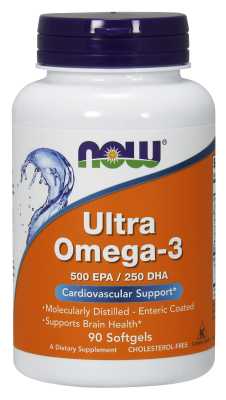 The benefits of fat for the brain?
It is a common misconception that fats are bad for our health and should be avoided. However, recent research has shown that certain types of fat are actually essential for our brain health. One study found that omega-3 fatty acids, which are found in fish oil, can help to improve memory and cognitive function. Another study found that electrons from saturated fats can help to protect our brain cells from damage. In addition, fats are necessary for the production of hormones and other signaling molecules that are essential for brain function. As a result, it is clear that fats play an important role in our brain health.
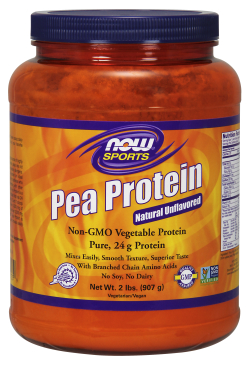 Plant protein is the best source of protein one can consume to increase their protein intake.
When it comes to increasing protein intake, there are many options available. However, not all sources of protein are created equal. For example, plant-based proteins are often less bioavailable than animal-based proteins, meaning that the body has a harder time absorbing and using them. Pee Protein is a unique plant-based protein that is highly bioavailable and easy for the body to absorb. In fact, studies have shown that Pee Protein is more efficient at building muscle than whey protein, making it an ideal choice for those looking to increase their protein intake. Plus, Pee Protein is also a complete protein, meaning that it contains all of the essential amino acids needed by the body. When it comes to increasing protein intake, Pee Protein is the clear choice.
 How to get more protein and fat in your diet?
If you’re looking to increase your intake of protein and fat, there are a few simple things you can do. First, make sure to include a protein-rich food at every meal. This could be anything from eggs and yogurt at breakfast, to a chicken breast or salmon at lunch or dinner. In addition, you can also drink protein shakes throughout the day. These are an easy way to get in an extra serving of protein, and can be made with milk or water. Finally, don’t be afraid to add a little fat to your diet. A tablespoon of olive oil or avocado with a meal can help you reach your fat goals. By following these simple tips, you can easily increase your intake of protein and fat.
How many grams of protein and fat does a person need in his or her diet to improve mental focus and cognitive function?
A diet that is rich in protein and fat can help to improve mental focus and cognitive function. Protein provides the body with the building blocks needed to produce neurotransmitters, which are essential for proper brain function. Fat is also necessary for proper brain function, as it helps to insulate nerve cells and provides a source of energy. In addition, both protein and fat help to preserve brain tissue and prevent age-related decline. For optimal mental focus and cognitive function, adults should consume at least 50 grams of protein and 30 grams of fat per day.
It is clear that protein and fat are essential for brain health. Not only do they help to support cognitive function, but they also protect the brain from damage and stress. In addition, plant-based proteins are a good source of protein that the body can easily absorb. By following these tips, you can easily increase your intake of protein and fat, which will help keep your brain functioning at its best.
Leave a Reply