Vitamins and Their Uses

  • Home
  • Features
  • Commentary
  • Shop For Vitamins 1-800-877-8702
  • Facebook
  • Google+
  • LinkedIn
  • Twitter
  • Cookie Policy (UK)
Home » Features » The Link Between Probiotics and Allergies

The Link Between Probiotics and Allergies

July 26, 2018 By Darrell Miller

Probiotics and Allergic Reactions from Food.

Dealing with food allergies can be an arduous process. Knowing what constitutes an allergy, what has caused the allergy, and how to treat the allergy is significantly complex. The easiest place to begin is to recognize some common types of food that are associated with allergic reactions. The most common adverse reactions to food are attributable to only eight types of food. These foods are known as the Big-8. The Big-8 is composed of milk, wheat, soybean, peanuts, tree nuts, eggs, crustacean shellfish, and fish. These eight foods are the culprit behind 90% of all food-related allergic reactions in the United States. Any food products containing the Big-8 must be labeled as such, in accordance with the US food allergen labeling act called FALCPA. It is important to not only know each of these common allergens but the possible symptoms associated with an allergic reaction.

Recognizing Allergic Reactions

Allergic reactions from food, typically manifest themselves as some form of physical discomfort. Symptoms associated with these reactions can range from mild to severe. Severe reactions can be potentially life-threatening. It is also possible for mild reactions to become severe over time. One of the most common reactions is a condition called anaphylaxis. An individual experiencing anaphylaxis from a food allergy can have constricted airways, drastic lowering of blood pressure (anaphylactic shock), and swelling in the throat that can lead to suffocation. Anaphylaxis is one of the most severe allergic reactions an individual can have to food. The symptoms can manifest within a few minutes to a few hours. Less severe allergic reactions include hives, flushed skin or rash, tingling or itching sensations in the mouth, swelling of the face or tongue, vomiting or diarrhea, cramps, coughing or wheezing, difficulty breathing, and loss of consciousness. At the onset of any of these symptoms, an individual should be submitted to medical examination and evaluation. If the individual has a known food allergy an injection of epinephrine may be necessary.

Preventing Allergic Reactions with Probiotics
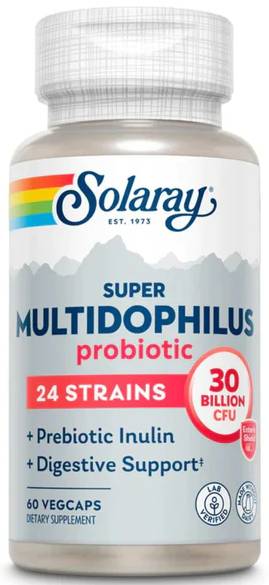
Research suggests that maintaining a healthy gut biome can prevent developing food intolerances or allergies. Gut flora in individuals prone to allergic reactions from food has been shown to be markedly different from the gut flora in nonallergic individuals. To repair gut flora, and potentially prevent adverse reactions from certain foods, individuals can ingest probiotics. Probiotics are living bacteria and yeasts that display positive medical benefits. The benefits of ingesting these good bacteria and yeasts are improved nerve response in the gut. This improvement can help with irritable bowel syndrome, infectious diarrhea, and diarrhea related to antibiotics. Ingestion of these healthy bacteria and yeasts has also been linked to improvements in oral health, urinary and vaginal health, and skin conditions. Good bacteria and yeasts can be taken as a supplement and can also be found in a wide variety of foods like apple cider vinegar, kombucha, and goat milk yogurt. If you have any food allergies, be sure to increase the number of probiotics you are ingesting to improve your gut health, lessen your chances of an allergic reaction, and increase your overall wellness.


Share this post: on Twitter on Facebook

Related posts:

  1. Epstein Barr Virus (+ 5 Ways to Boost Your Immune System)
  2. Depression: Caused by Low Testosterone Levels
  3. Weight Gain Puts You at Risk For Diabetes
  4. Infections: Cause and Prevention
  5. Epigenetics: Awakening Sleeping Genes
  6. How Boswellia Counters Inflammation – The Root of All Chronic Diseases
  7. Looking For a High Protein Gluten Free Alternative to Rice
  8. Reverse your Greying Hair with Wheat Grass

Filed Under: Features Leave a Comment

Leave a Reply Cancel reply

Your email address will not be published. Required fields are marked *


  1. Boost SCFAs with Prebiotic Fiber!

Want To Learn More About Vitamins, Nutrition And More? Subscribe!

*  Your Email Address:
*  Preferred Format:
    First Name:
*  Enter the security code shown:

Email marketing by Interspire

Categories

POPULAR READS

Systemic Benefits of SCFAs

SCFA Benefits For Organ Health!

December 22, 2025 By Darrell Miller Leave a Comment

Ivermectin vs herbs to remove parasites

Precision vs. Broad-Spectrum: How Cloves, Wormwood, and Black Walnut Break the Parasite Life Cycle Vs Ivermectin.

December 19, 2025 By Darrell Miller Leave a Comment

Why Is Solaray A Great Vitamin And Herb Company?

November 6, 2012 By Darrell Miller Leave a Comment

Archives

Tags

antioxidant Arthritis Blood Blood Pressure Blood Sugar Body Brain Calcium Cancer Cholesterol Conditions and Diseases Curcumin Depression Diabetes Digestion Energy Fiber Food Glucose health Heart Heart Disease Immune System Inflammation Iodine Liver Magnesium Memory Metabolism Minerals Nutrition oil Omega-3 Pain probiotics Protein Skin Stress Sugar Video vitamin c Vitamin D vitamins Weight Loss zinc
About Us · Contact Us · Shop Now
Copyright © 2025 · VitanetOnline.com