
Our diet mainly provides three micro nutrients. That is, proteins carbohydrates and fats. These nutrients play crucial roles such as tissue repair. While carbohydrates and fats are mainly a source of energy, proteins are the main source of amino acids. Our body system requires amino acids for a number of reasons. Although different kinds of each amino acids play a different role in our body, generally amino acids have been shown to boost the body’s immune system as well as helping build up muscle strengths.
Amino acids are basically what make up proteins. Some kinds of amino acids are produced naturally by the body while others are found in the food we eat. Amino acids produced naturally are known as the non-essential amino acids while those derived externally are known as essential amino acids. Such amino acids that are derived externally are methionine and threonine types. These amino acids have to be adequately supplied in our diet or by taking its supplements. Proline, serin, cystein and tyrosine amino acids are naturally produced in the body.
Homocysteine, as a type of amino acid, is synthesized from the amino acid methionine through a complex process. It plays that some high homocysteine levels have been associated with cardiovascular disease. The levels of homocysteine are measured in the blood. Poor diet and lifestyle habits such as smoking and alcohol intake have been shown to cause high homocysteine levels. Furthermore, vitamins B12 and B6 deficiencies raise homocysteine levels. To obtain the right levels of homocysteine , the body converts it into cystein or returns it back to the form of methionine. Homocysteine is used to produce methionine when there is methionine deficiency and produce cystein when there is methionine sufficiency. This conversion process is greatly facilitated by the B6 and B12 vitamins as cofactors. B6 is a cofactor for cystein synthesis while B12 is a cofactor for methionine synthesis.
High levels of homocysteine have been linked to cardiovascular diseases such as strokes and heart attacks in the sense that such high levels of homocysteine damage the arteries. In this regard, hyperhomocysteine, that is high levels of homocysteine in the blood, has been shown to be an independent risk factor for Atherosclerosis. Atherosclerosis is a heart condition whereby there is build-up of plaque in the arteries. Plaque contains among other substances fatty substances and fibrin. Plaque build-up will undoubtedly either completely block the arteries or narrow them. Arteries are used to transport nutrients and oxygen to the heart. When the arteries are damaged, transportation of such nutrients and oxygen is thus impaired. When the oxygen flow to the heart is blocked, this leads to a heart attack and if oxygen flow to the brain is reduced, one will suffer a stroke. In addition, high levels of homocysteine have been shown to lower the concentration of High-Density Lipoproteins (HDL). As opposed to low- density lipoprotein(LDL). HDL cholesterol is the ‘good cholesterol’ in the sense that it helps to remove cholesterol levels in the arteries. Presence of cholesterol in the arteries is undoubtedly a factor that causes blockage of arteries. A lowered concentration of HDL is therefore a contributing factor to cardiovascular diseases.
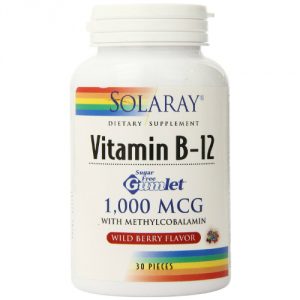
Finally, to maintain the right balance of homocysteine , the right co-factors have to be present. These co-factors include B12 which aids in proper metabolism of homocysteine to methionine which is a harmless amino acid. It is very crucial to therefore ensure that the diet is rich in B12 vitamins. Some of the rich sources of B12 include the liver, eggs and cheese. B12 supplements are also widely available.
References
http://www.foodforthebrain.org/alzheimers-prevention/methylation-and-homocysteine.aspx
http://www.ncbi.nlm.nih.gov/pmc/articles/PMC4326479/
Leave a Reply